

The Benefits Of Screened In Living Areas
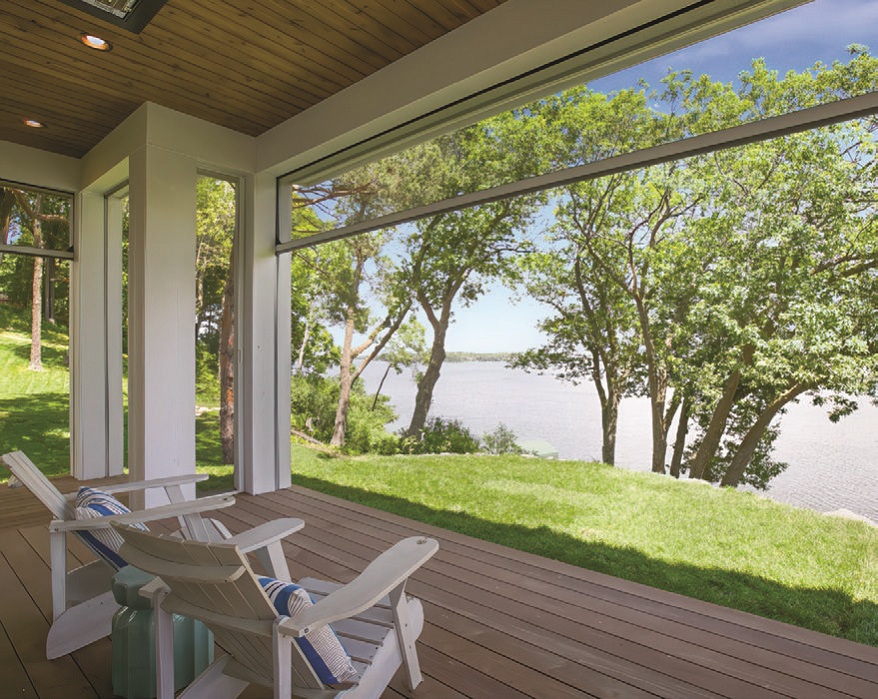
Screened-in outdoor areas—whether porches, lanais, or patios—offer a unique balance between enjoying the outdoors and maintaining everyday comfort. It’s no surprise they’ve become a staple feature in warm, humid regions, where spending time outside can otherwise come with a few drawbacks.
One of the most significant advantages is protection from insects and pests. Mosquitoes, flies, and gnats can quickly turn a relaxing evening into an uncomfortable experience. A screened enclosure creates a barrier that keeps these nuisances out, making the space far more enjoyable—especially in areas where bugs are a constant concern.
Beyond pest control, screened-in spaces provide a more comfortable outdoor environment overall. They allow homeowners to enjoy fresh air and natural surroundings while minimizing harsh elements like intense sunlight, strong winds, and even light rain. The result is a space that feels open and airy, yet far more livable than a fully exposed patio.
Another key benefit is the added functionality. A screened-in area essentially becomes an extension of the home—an extra room for dining, entertaining, or simply relaxing. Unlike a fully enclosed addition, it offers this extra living space without the higher costs associated with insulation, heating, and cooling.
Airflow is another area where these spaces shine. Because they are not sealed off like traditional rooms, screened porches allow breezes to pass through freely. This natural ventilation helps keep temperatures more comfortable, particularly during warmer months, reducing the need for fans or mechanical cooling.

From a real estate perspective, screened-in outdoor areas can also boost a home’s appeal. Buyers often view them as a desirable feature, particularly in regions where outdoor living is part of the lifestyle. They add both charm and practicality, which can make a property stand out in the market.
Maintenance is also easier compared to open outdoor spaces. Screens help block leaves, pollen, and debris, meaning less time spent cleaning and maintaining the area. Additionally, they create a safer, semi-contained environment for children and pets to enjoy the outdoors with fewer risks.
Of course, there are a few trade-offs to consider. Screened-in areas are not fully weatherproof, so heavy rain, humidity, and temperature fluctuations will still be noticeable. Screens themselves require occasional upkeep and repair, and in colder climates, these spaces may not be usable year-round without added heating. There’s also a slight reduction in visual clarity, as screens can soften views compared to completely open spaces.
Overall, screened-in outdoor areas offer an appealing middle ground—delivering many of the benefits of outdoor living while minimizing the downsides. For homeowners looking to enhance both comfort and functionality, they remain one of the most practical and enjoyable upgrades available.
Provided by ScreenMobile